




From Screens to Sensors: Navigating the “Physical AI” Frontier in Industrial Software
For the last decade, “Digital Transformation” in industry meant putting dashboards on tablets so managers could see what was happening on the factory floor. But today, we are entering the era of Physical AI. This is the moment where software moves from monitoring the world to interacting with it through sensors, actuators, and robotic systems.
The Dawn of Physical AI: When Software Gains a Body
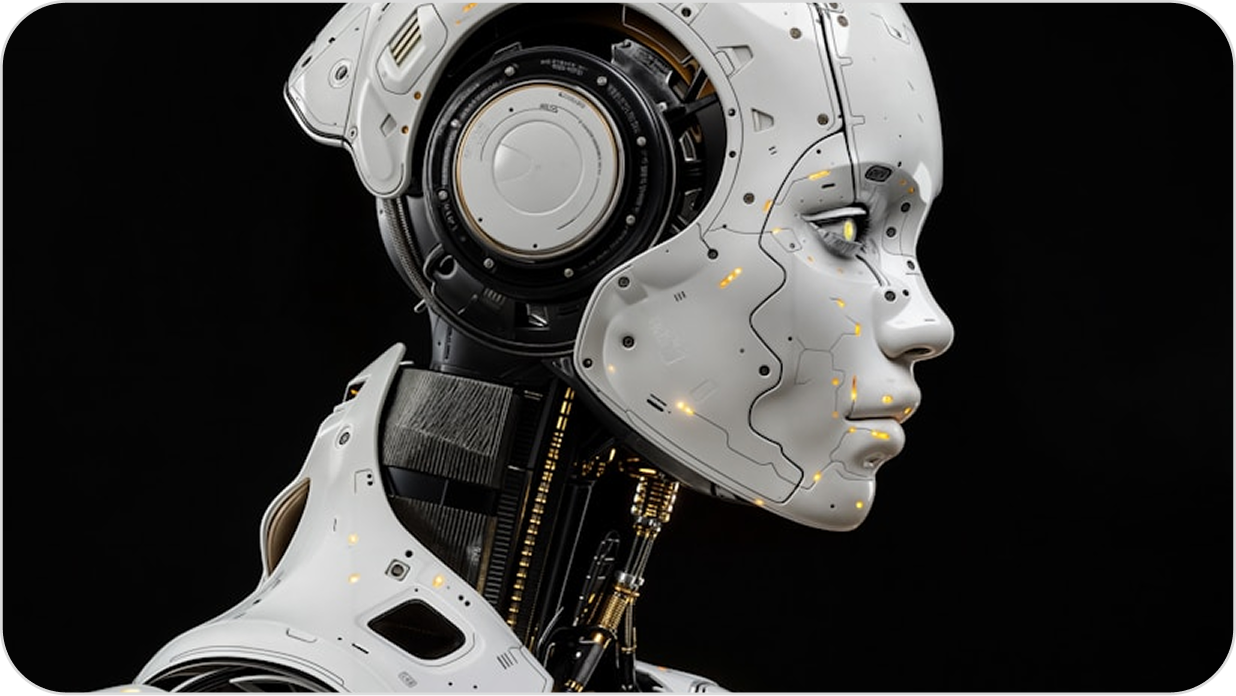
Physical AI is the integration of machine learning with the physical world. While Generative AI handles text and images, Physical AI handles force, motion, and spatial awareness. For a logistics company, this means software that doesn’t just track a package but an autonomous system that perceives a fallen box, calculates a new path, and directs a robotic arm to clear the obstruction.
The “Phygital” Convergence: Why Industrial Apps are Changing
The “screen-first” mentality is fading. In high-stakes industrial environments—warehouses, refineries, and smart ports—the most valuable software is often invisible. It lives in the sensors (Lidar, thermal, ultrasonic) and makes split-second decisions that a human looking at a screen could never make in time.
3 Pillars of a Physical AI Infrastructure
To build software that effectively navigates the physical world, three components must work in perfect harmony:
1. Sensor Fusion
A single camera isn’t enough. Physical AI requires “Sensor Fusion”—the ability to combine data from multiple sources (like vision, weight sensors, and IMUs) to create a single, high-fidelity model of reality.
2. Digital Twins with Edge Intelligence
You cannot wait for a cloud server to tell a robot to stop before it hits a wall. We build Digital Twins that live on the Edge, allowing the system to simulate “What if?” scenarios in milliseconds before executing them in the physical world.
3. Human-Robot Collaboration (Cobotics)
The goal isn’t to replace humans but to create software that allows robots to work safely alongside them. This requires advanced spatial AI that understands human intent and movement patterns.
Overcoming the “Latency Gap” in Industrial Environments
In a warehouse, a 200ms lag isn’t just an annoyance—it’s a collision. Moving to Physical AI requires a total rethink of the networking stack. We are moving away from traditional Wi-Fi toward Private 5G and localized mesh networks to ensure that the “brain” (the software) and the “body” (the sensors) are always in sync.
The Acme Approach: Building Software for the Physical World
At Acme Software, we’ve moved beyond the screen. Our industrial engineering team focuses on:
- Embedded Flutter for Industrial UIs: Creating high-performance interfaces that run directly on machinery hardware.
- Custom Sensor Integration: Writing the low-level drivers that allow your software to “feel” the environment.
- Predictive Maintenance Models: Using Physical AI to sense microscopic vibrations or heat changes before a machine fails.
Conclusion: The Industrial Revolution is Being Written in Code
The companies that will win the next decade are those that realize software is no longer a support function—it is the central nervous system of their physical operations.